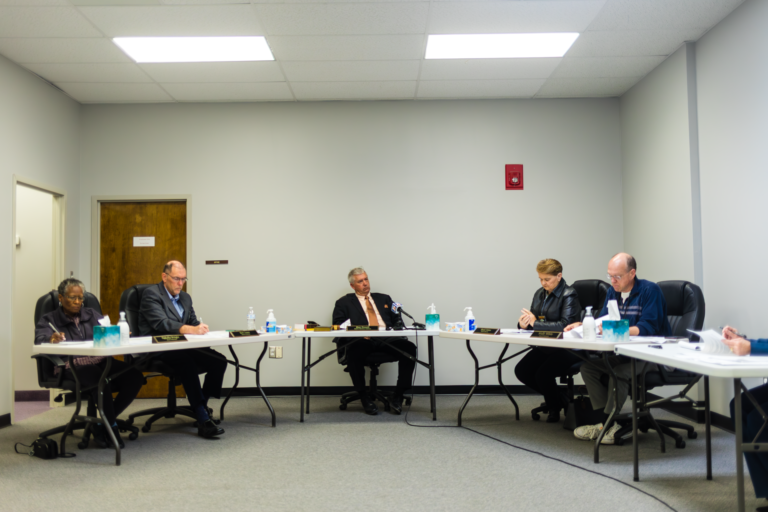
Morrisville, North Carolina (3/27/26) — On Wednesday, the North Carolina State Board of Elections unanimously certified the results of the 2026 Primary Election in North Carolina, except for federal contests for the U.S. Senate and House of Representatives in districts where provisional ballots of voters on the “Registration Repair” list weren’t counted. The State Board verified the ballot count for the 2026 Primary through meticulous post-election audits that ensure the accuracy and fairness of our elections.
More than 1.5 million North Carolinians cast their ballots for the Primary out of 7.7 million registered voters. Statewide, more than 728,000 voters cast their ballot ahead of Election Day (either by mail or in person during the early voting period), making up 9.4 percent of all registered voters, outpacing the early voting share from the 2024 presidential election at 9.36 percent.
The provisional ballots of 16 voters on the “Registration Repair” list across six U.S. Senate and House districts were not counted by 10 County Boards of Elections across the state. The votes will not affect the outcome of any contests. The NCSBE ordered the local boards to count those votes in the federal contests within two weeks, which will be followed by an expected certification by the State Board. The final, most publicly contested race between NC Senator Pro Tempore Phil Berger and Rockingham County Sheriff Sam Page was also resolved this week, as Berger conceded defeat in the primary, losing by 23 votes.
Democracy North Carolina, in partnership with Common Cause North Carolina, Southern Coalition for Social Justice, North Carolina Black Alliance, New Rural Project, NC For the People, You Can Vote, League of Women Voters, and other partners, hosted a comprehensive canvass monitoring program following the Primary to ensure every eligible vote was counted. The program trained over 90 canvass monitors to observe the final vote counts and assist voters during local boards of elections’ “Day of Canvass” and over 100 pre-canvass meetings in 42 counties, covering 71% of registered voters in those counties.
These groups have also been proactively working to connect with voters on the “Registration Repair” list throughout the fall and winter to ensure that all voters have their registrations updated and votes cast in the General Election. Of the 8,778 provisional ballots cast in the March Primary, 1,379 were coded “DL/SSN PROVISIONAL,” i.e. part of “Registration Repair” list, making up 15.5 percent of all provisionals. Based on those turnout rates, there could be 4,000 or more “Registration Repair” provisional voters in the fall if they participate at the same rate in the Primary, based on the volume of provisionals in both the 2018 and 2022 Midterm Elections.
“We have witnessed increased attacks on voter access, registration, and even the very individuals and organizations – like ours – that aim to ensure every North Carolinian voter can freely and safely cast their ballot. We will continue to work with our partners to ensure every voter whose registration is in question is able to vote a regular ballot this fall, and rally against efforts to obfuscate our voting systems – from enshrining voter ID into our state constitution to the disturbing influx of ‘documentary proof of citizenship’ efforts nationwide to proposed rules on ‘noncitizen’ voters here in our state,” said Adrienne Kelly, Executive Director of Democracy North Carolina. “As a nonpartisan organization, Democracy NC has worked extensively with partners at the State Board over the last 30 years. We hope that we can work together intentionally moving forward to promote – not prohibit – voter access and clarity at a time of uncertainty and division. The Primary turnout shows, once again, that North Carolinians are more eager than ever to participate in our nearly 250-year-long experiment in democracy, however flawed. They will not be moved, and neither will we.”
Listen to more takeaways on the 2026 Primary in our latest Built by Us podcast here, featuring Professor Michael Bitzer, Director of the North Carolina Center for Politics.